Femto CAIRS at the Ziemer Asian User Meeting 2026, Kuala Lumpur
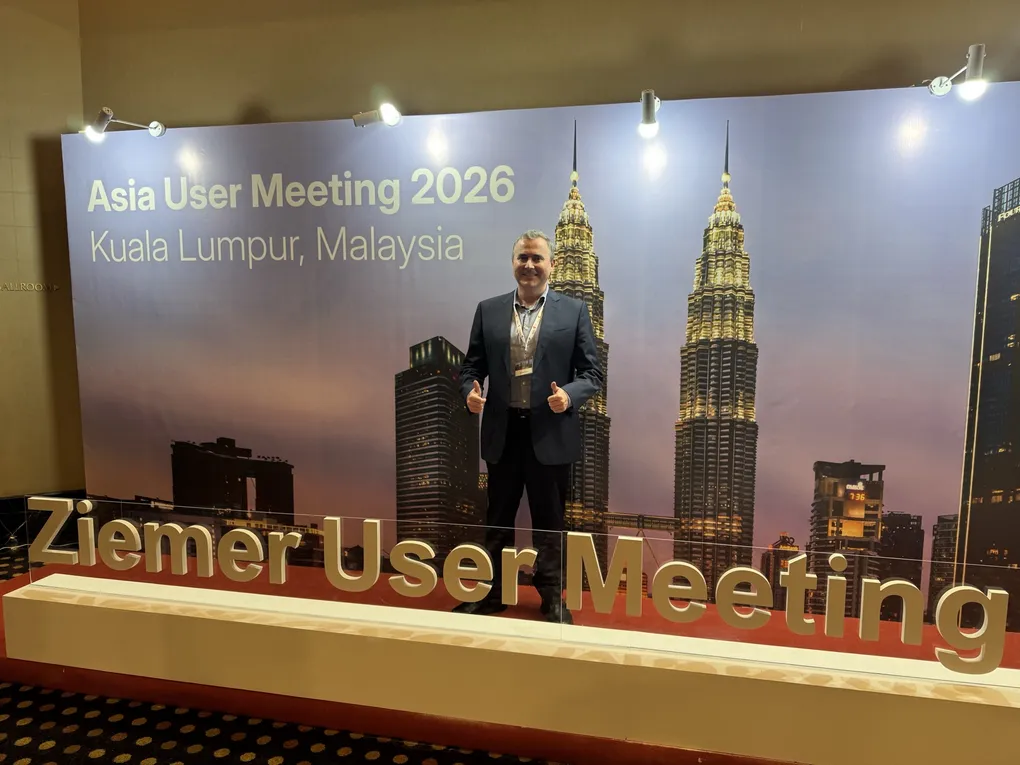
The Ziemer Asian User Meeting ran on 28 and 29 March 2026 in Kuala Lumpur. It brings together surgeons across Asia-Pacific who use the FEMTO LDV Z8, the low-energy mobile femtosecond platform used for refractive, cataract and therapeutic work.
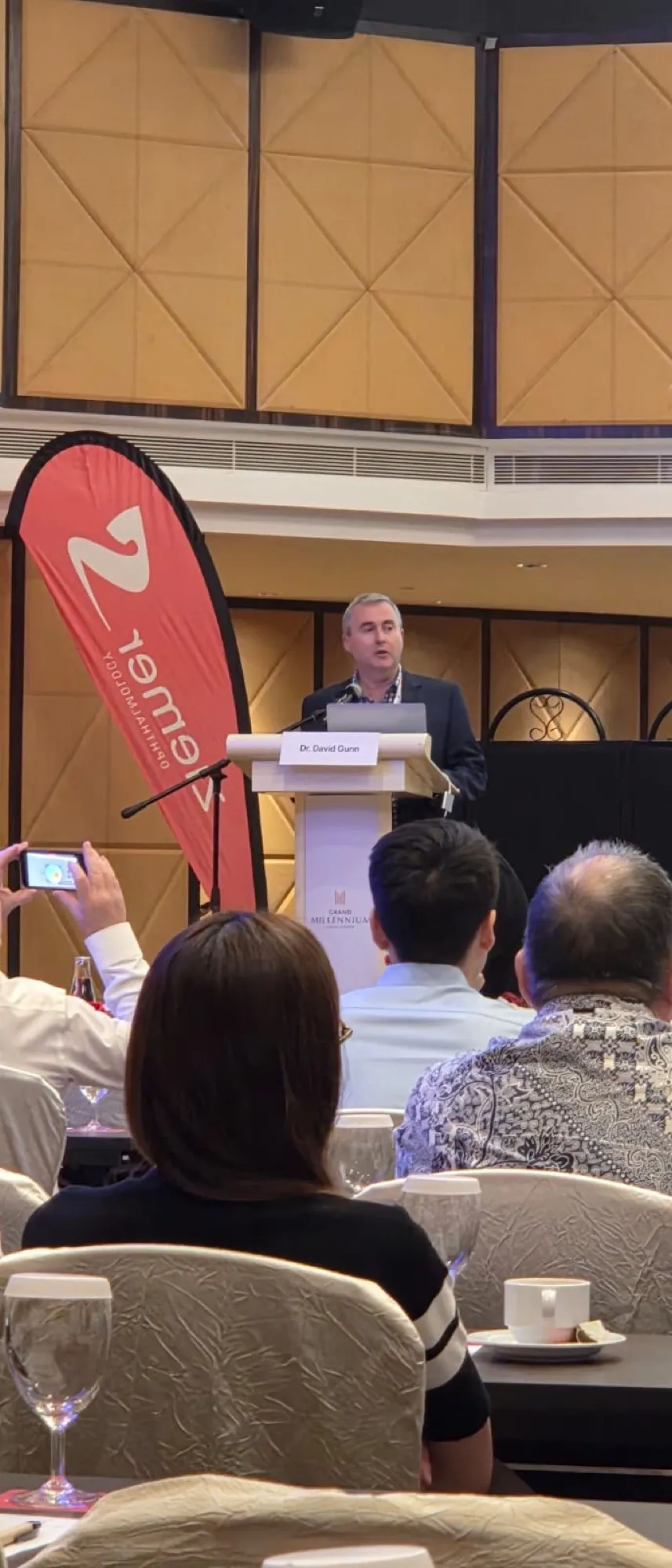
Dr David Gunn presented Femto CAIRS in Session 9, on therapeutics.
The question the plan starts from
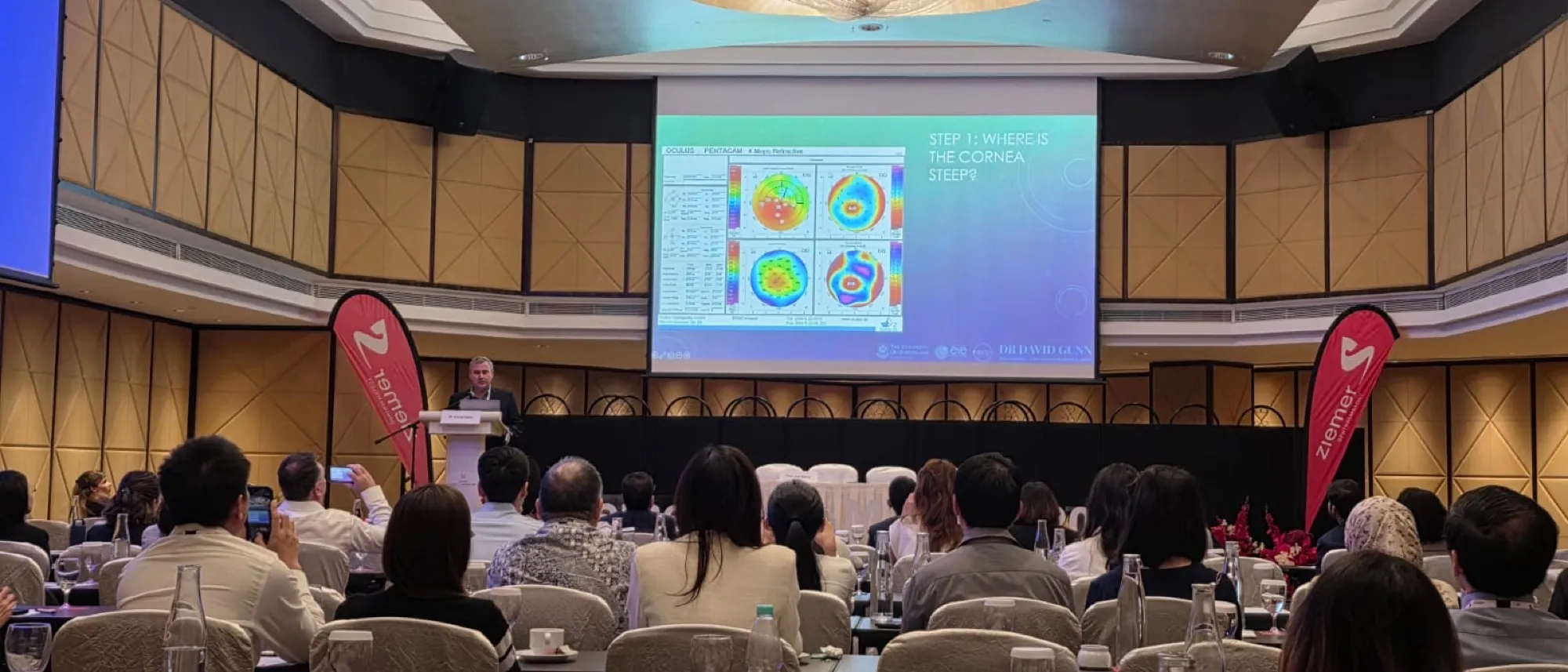
The talk opened on a single slide: where is the cornea steep?
It is the first question in every CAIRS plan, and getting it right determines most of the result. The ring segments are placed to flatten the steep zone and rebalance the rest of the cornea around it. Placed in the wrong arc, they turn a cornea that was irregular in one predictable way into one that is irregular in a new and less predictable way.
From there the plan follows in order: how large the cone is, how thick the cornea is at the intended channel depth, where the visual axis sits relative to the cone, and only then which segments to use and how long an arc to cover.
Surgeons new to the technique tend to start at the last step, because that is the part that looks like a decision. It is the part that matters least.
The channel is the enabling step
The channel is what makes CAIRS possible, and it can be made by manual dissection or with a femtosecond laser. Nearly everyone performing CAIRS now uses the laser, Dr Gunn included, because it fixes depth, diameter and arc as numbers rather than leaving them to the surgeon’s feel on the day.
The less common step is cutting the segment with the laser as well. Done that way, the implant goes into the eye with known dimensions rather than estimated ones, and that is where this practice differs from most. Dr Gunn was the second surgeon in the world to perform CAIRS with laser-cut segments, and the first to perform it on the WaveLight FS200 and on the VisuMax 800.
The current Z8 software goes further again and allows the shape of each segment to be customised on the laser, so a segment can be cut differently for every cornea it is going into rather than selected from fixed stock geometry. Dr Gunn was the second surgeon in the world to have access to it and remains one of only a handful using it, which is a large part of why the planning talk was worth giving to this particular room.
When the segment is a set of numbers as well as the channel, the operation is reproducible between cases and between surgeons, and reproducibility is the precondition for a nomogram. Without it, every surgeon is building their own experience from scratch and nothing generalises.
That is why a device user meeting is a reasonable place to teach a corneal technique. The people in the room already own the instrument that makes it practical.
What two days of Asian practice looked like
The clearest impression from the meeting was how normal customised corneal work has become across the region. Femtosecond channel creation for therapeutic indications was not being introduced to anyone. It was assumed.
Keratoconus is common across much of Asia and often presents in younger patients with steeper corneas than are typically seen in Brisbane, so the questions were correspondingly harder. Several concerned very steep cones where segment selection runs out of range, which remains an unsolved area and one where a corneal graft may still be the better operation.
For patients in Brisbane
Nothing in Kuala Lumpur was theoretical. Femto CAIRS is the same operation offered here for keratoconus and corneal ectasia, planned with the same tools, including CAIRSPlan.
If your keratoconus has stabilised after cross-linking but your vision has not, that is the situation this operation was designed for. Book an assessment to find out whether your cornea suits it.
Frequently Asked Questions
What does the femtosecond laser do in CAIRS surgery?
Is CAIRS surgery painful?
How is the position of the ring segments decided?
Can CAIRS be done after cross-linking?