Why Surgeons Fly to Brisbane to Watch Keratoconus Surgery
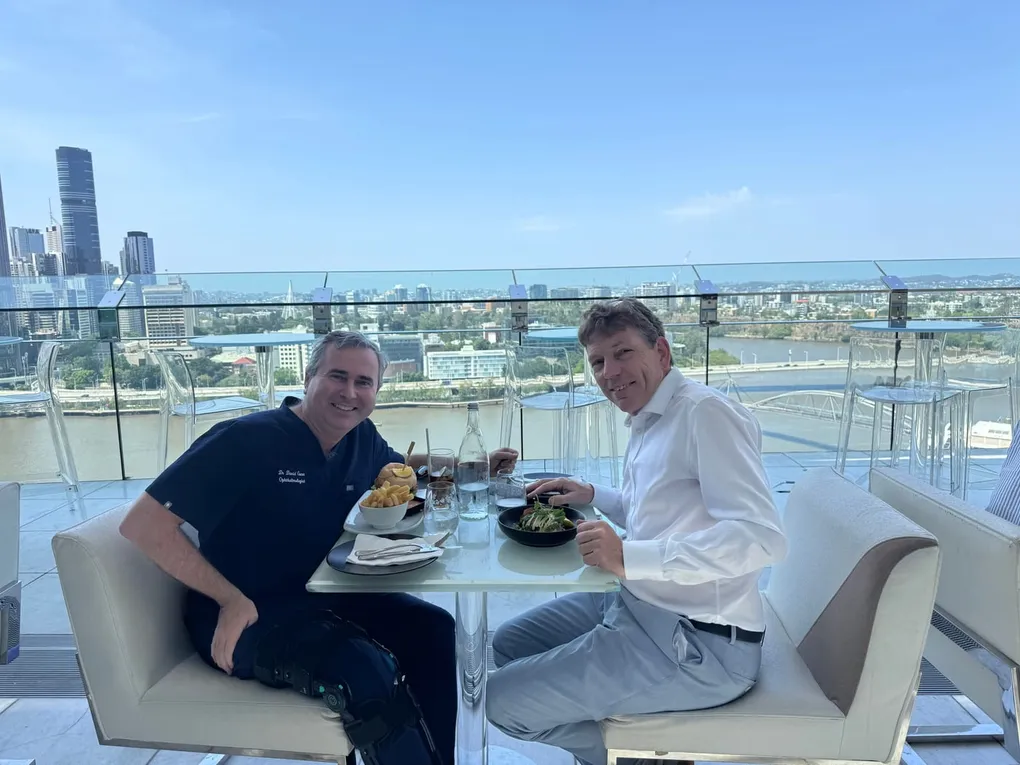
When a surgical technique is new, surgeons go to it. Over the past few years, ophthalmic surgeons from Germany, Japan, South Africa and across Australia have travelled to Brisbane to stand in theatre with Dr David Gunn and his colleague Dr Brendan Cronin, watching keratoconus and corneal procedures that, in some cases, are performed almost nowhere else.
The visits reflect how central Brisbane has become to CAIRS (Corneal Allogenic Intrastromal Ring Segments), a keratoconus treatment Dr Gunn introduced to Australia at the Queensland Eye Institute in May 2021, and to the advanced corneal and refractive surgery performed alongside it.
Who has been visiting
The visitors have come from four corners of the ophthalmic world.
From Germany: Prof. Thomas Kohnen, Chair of Ophthalmology at Goethe University Frankfurt and Editor-in-Chief of the Journal of Cataract & Refractive Surgery, on 3 November 2025; Dr Hyeck-Soo Son of Heidelberg University Eye Hospital on 23 February 2026; and Dr David Beckers and Dr Lena Beckers of Rheine on 13 July 2026. From Japan, corneal surgeon Dr Takahiko Hayashi of Yokohama. From South Africa, cataract and refractive surgeon Dr Dylan Joseph, who was in theatre with the Beckers on 13 July 2026. And from around Australia, colleagues from Melbourne, Perth, Sydney, Wollongong and Adelaide, listed below.
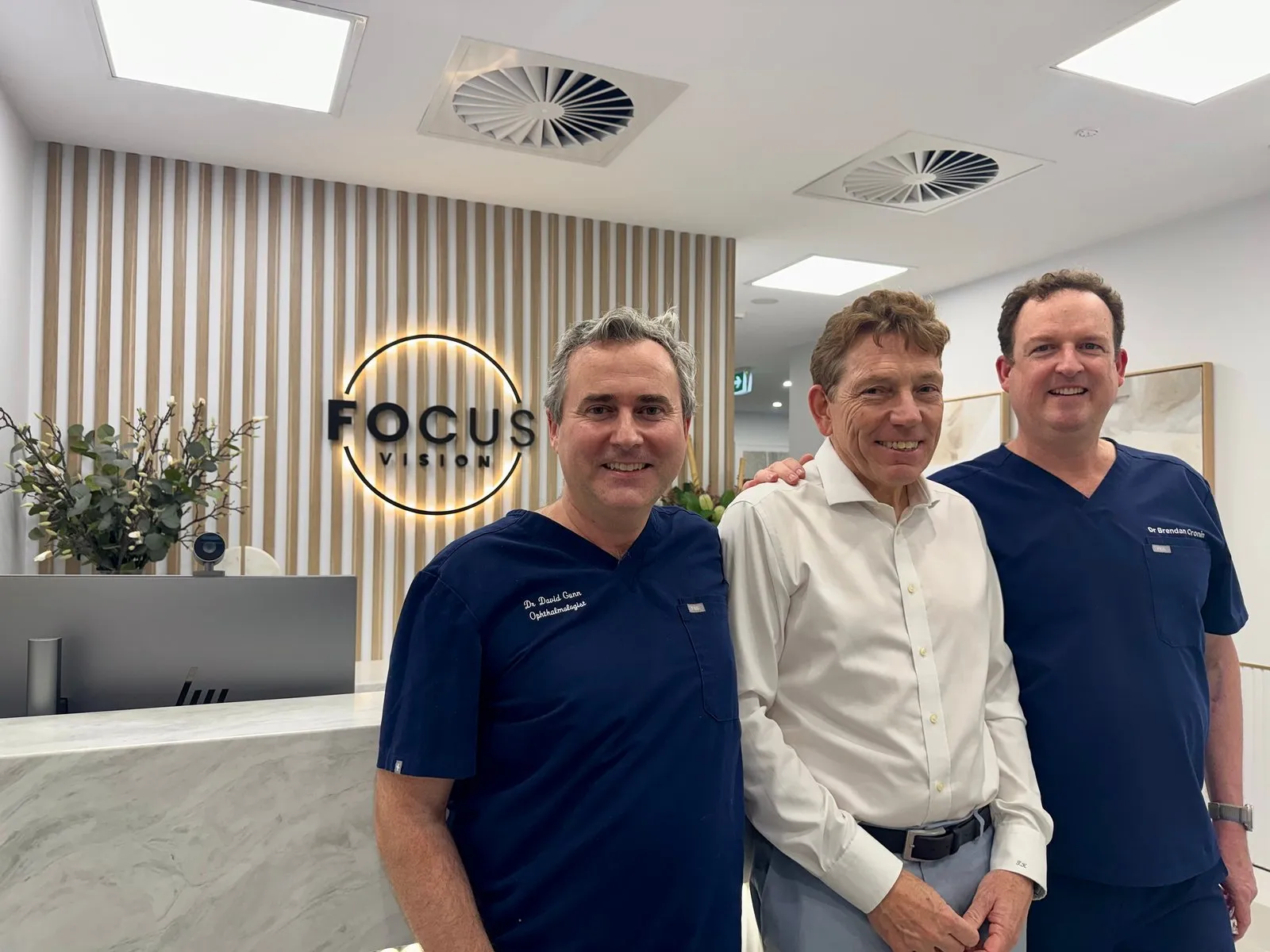
Prof. Thomas Kohnen, Goethe University Frankfurt, visited on 3 November 2025.
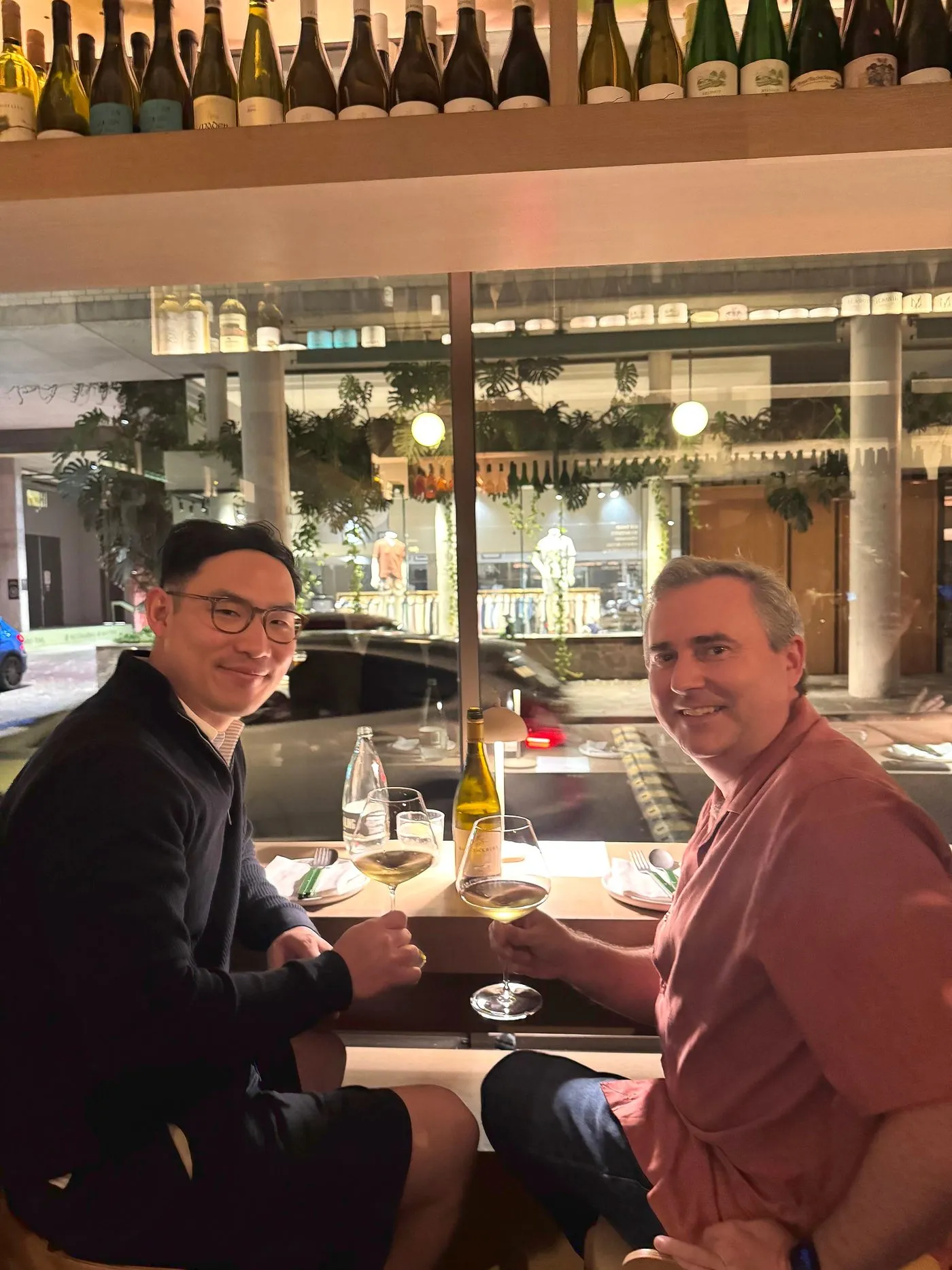
Dr Hyeck-Soo Son, Heidelberg University Eye Hospital, visited on 23 February 2026.
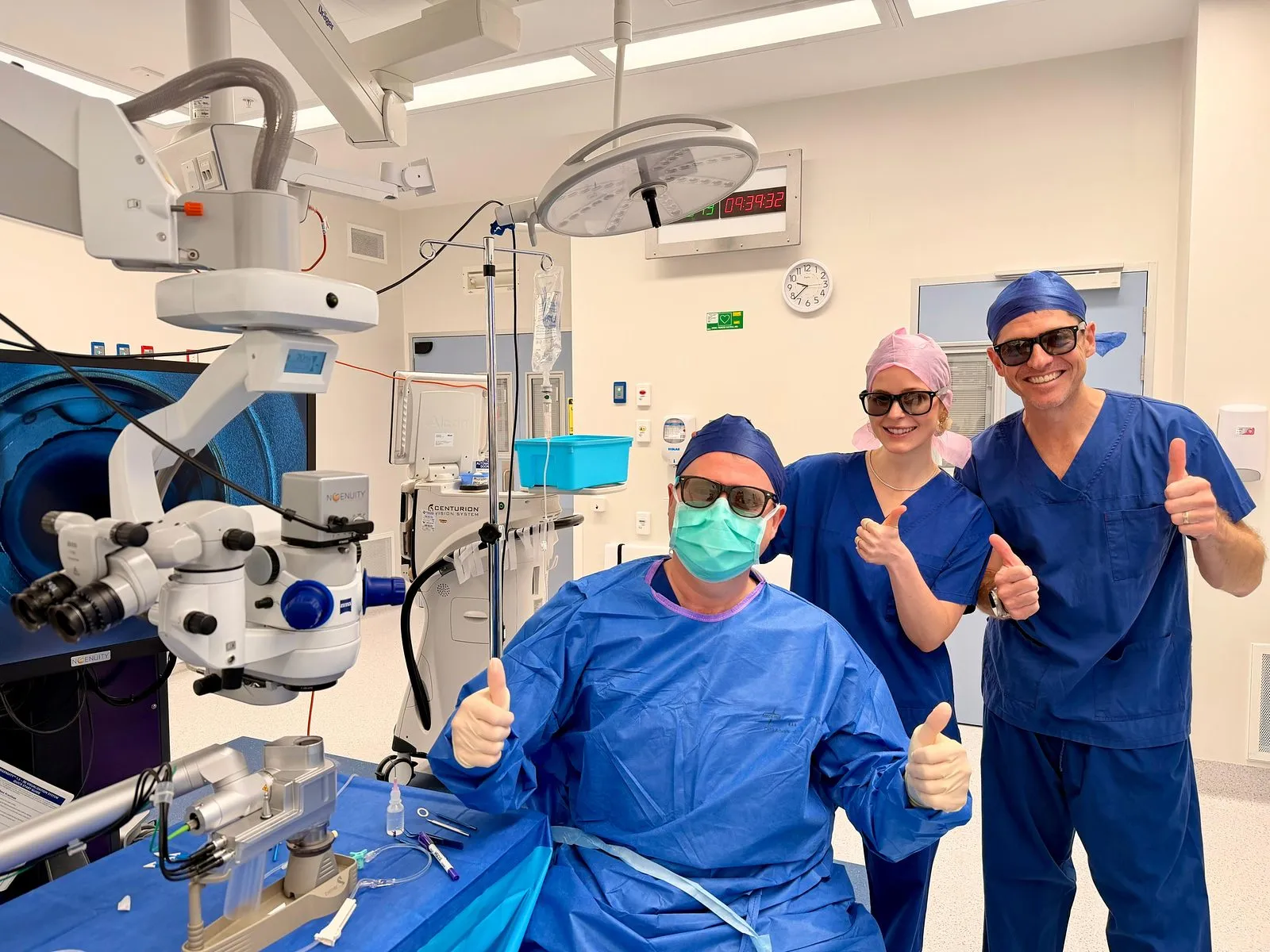
Dr Dylan Joseph, Knysna, South Africa, and Dr Lena Beckers, Rheine, Germany, visited on 13 July 2026.
Between them they have watched femtosecond CAIRS, customised all-femtosecond CAIRS on the Ziemer Z8, corneal transplantation, laser vision correction and more: a cross-section of modern corneal and refractive surgery, and in the case of the customised Z8 technique, procedures available in almost no other theatre in the country.
Colleagues from around Australia
Australian surgeons who have spent a day in theatre with Dr Gunn.
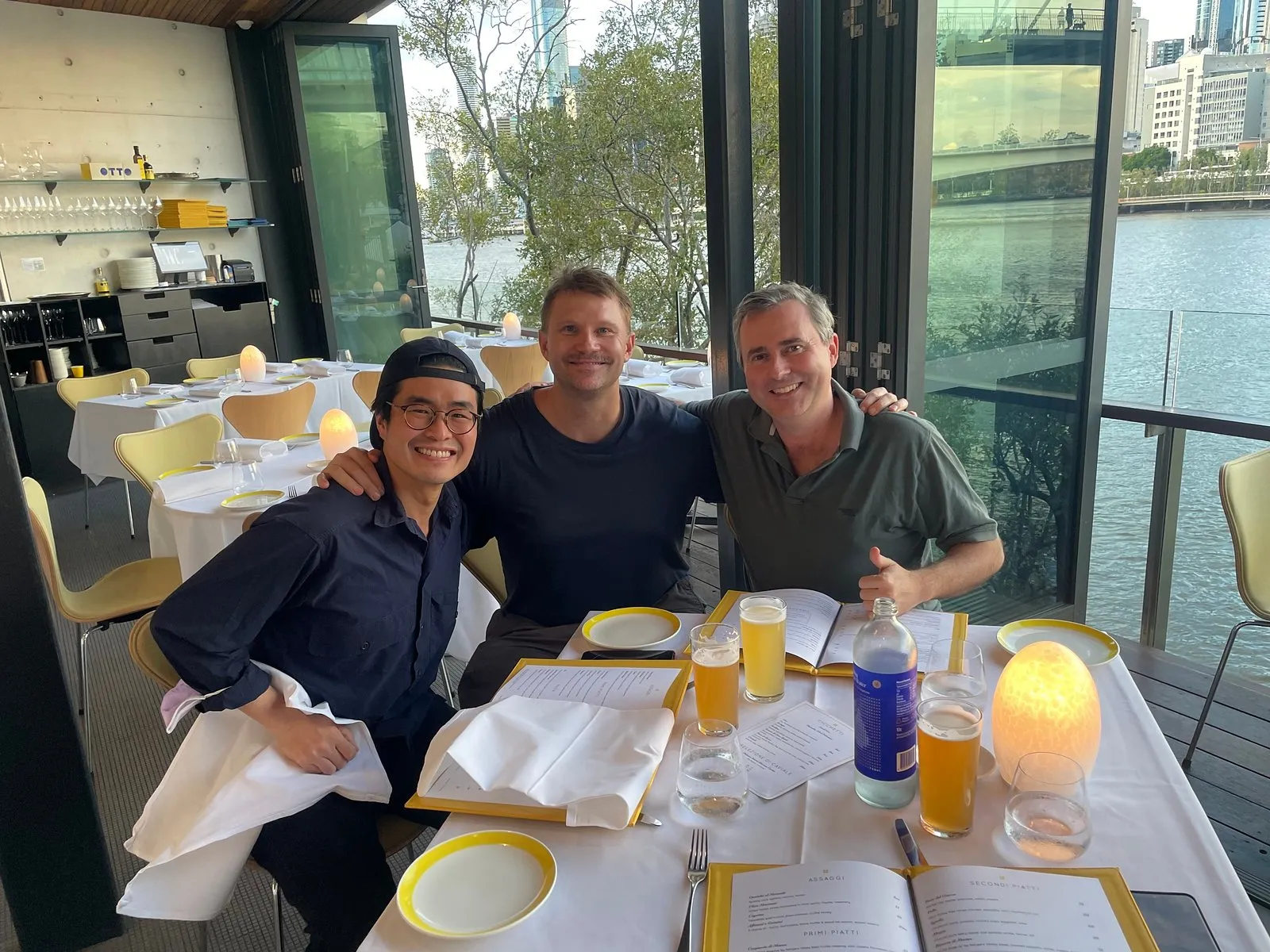
Dr Nathan Wong, Cabrini Malvern, Melbourne, and Dr Lourens van Zyl, Crystal Eye and Laser Centre, Perth, visited on 23 February 2023.
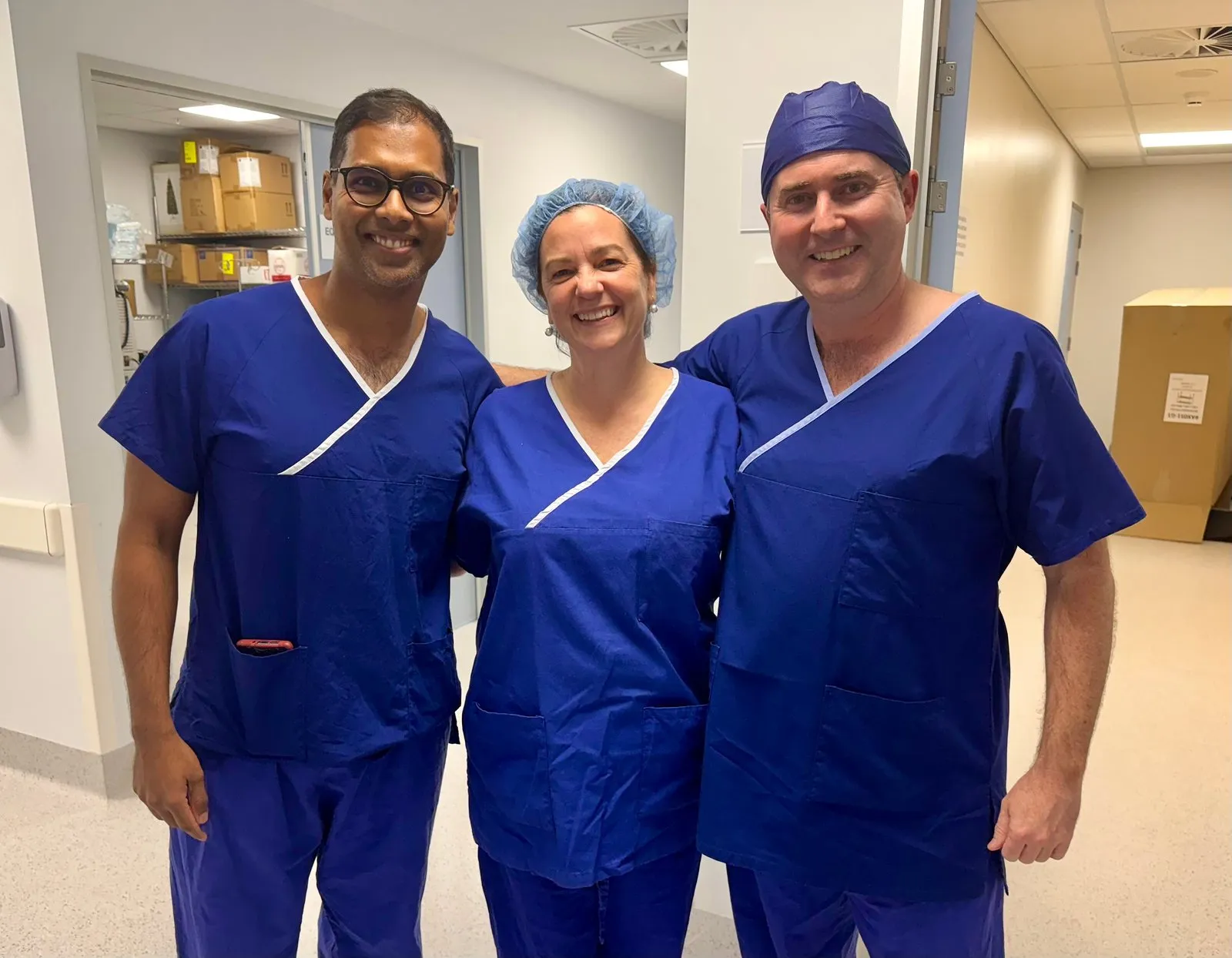
Professor Chameen Samarawickrama, University of Sydney and Westmead Hospital, and Dr Marina Rayside, Kookaburra Eye Clinic, Perth, visited on 13 June 2024.
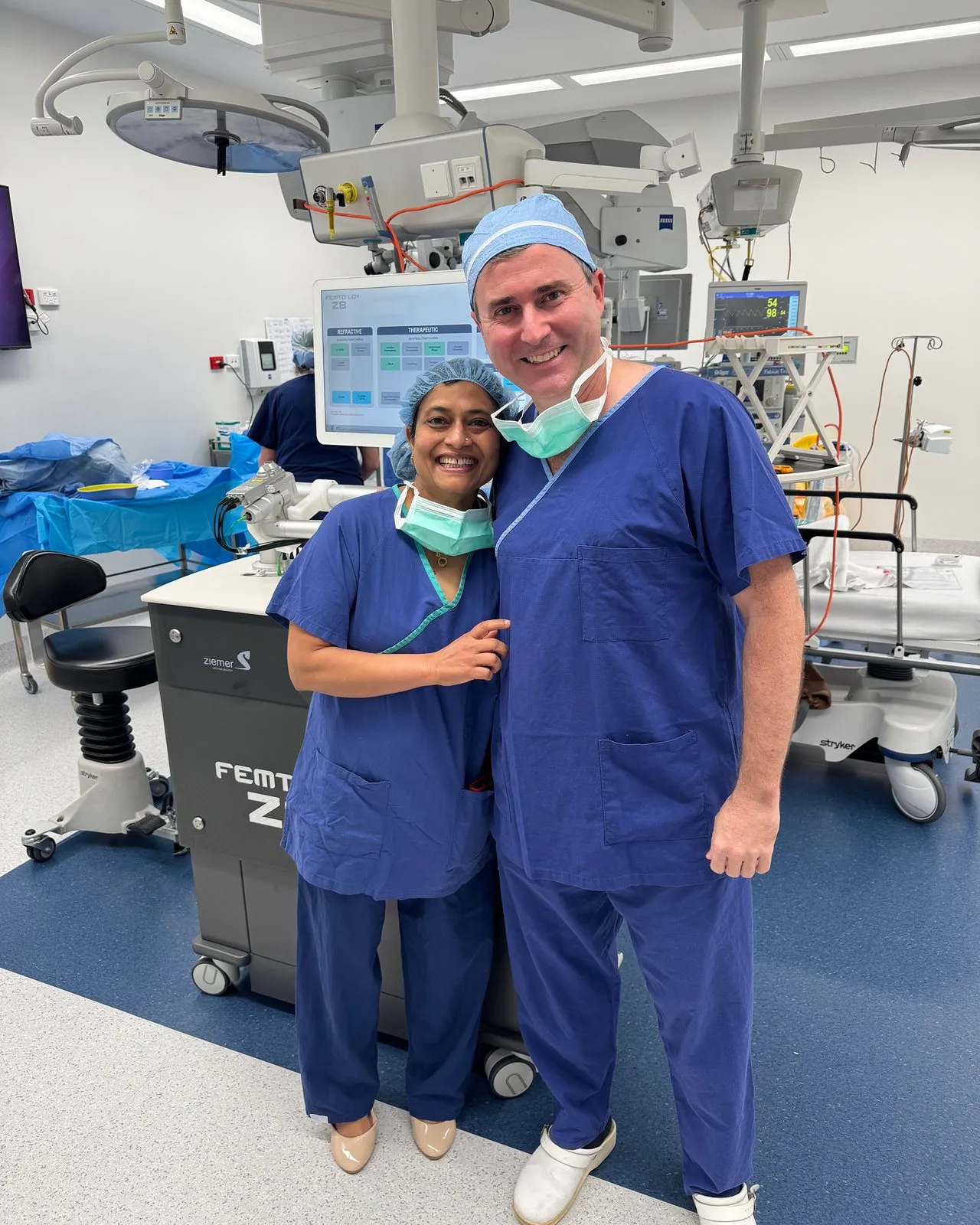
Associate Professor Smita Agarwal, Wollongong Eye Specialists, visited on 2 December 2024 for a list of five CAIRS procedures and two DMEK grafts.
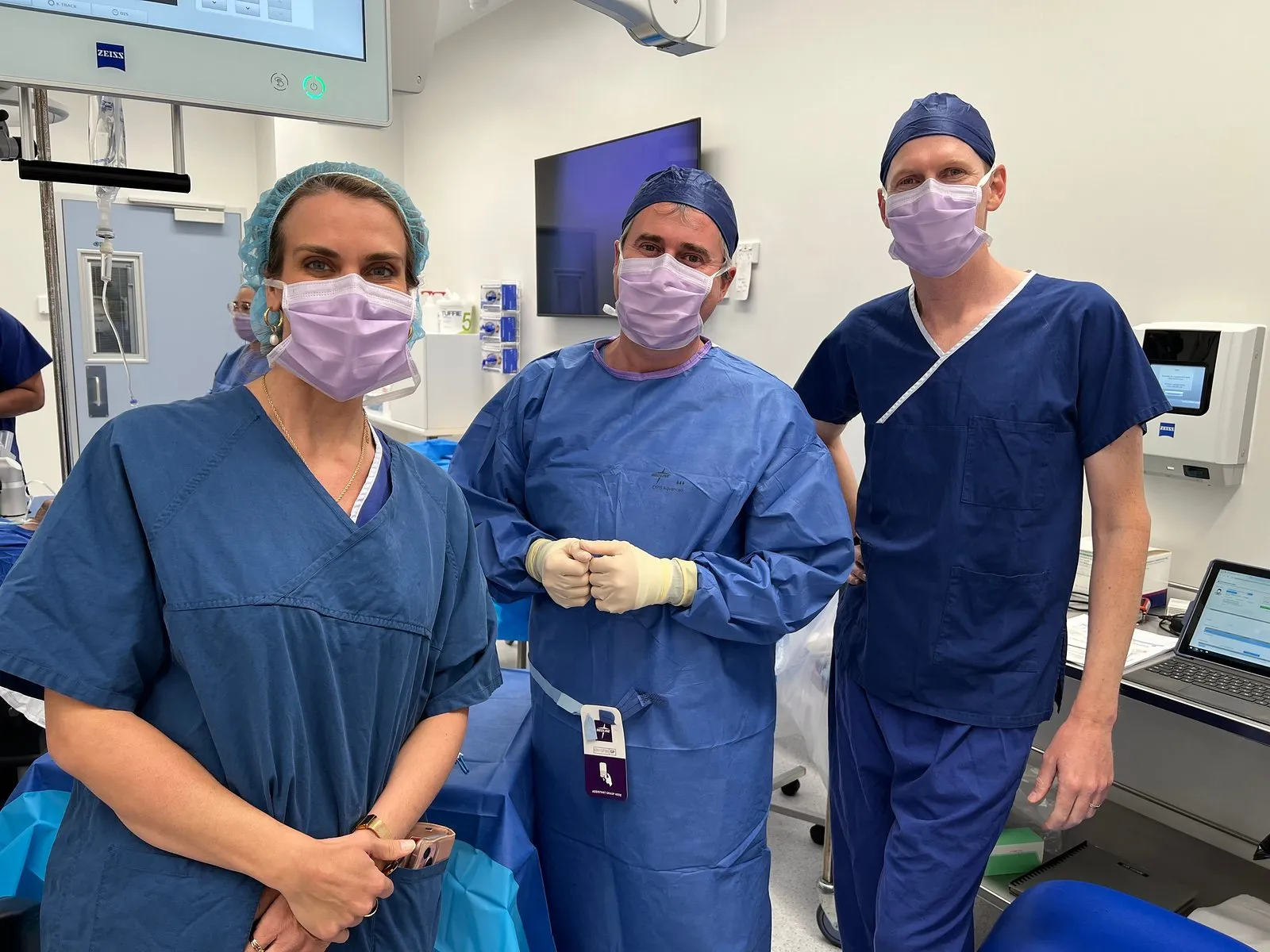
Dr Simone Beheregaray, Vision Eye Institute, Adelaide, and Dr Luke Northey, Central Sydney Eye Surgeons, visited on 14 July 2025.
Why they come
Keratoconus treatment is changing quickly, and much of that change is being worked out in a small number of centres. Since performing Australia’s first CAIRS in 2021, Dr Gunn and Dr Cronin have built substantial experience with the procedure, along with CAIRSPlan.com, a free planning platform for CAIRS surgery now used by 420 surgeons worldwide.
In March 2026 the pair worked with Swiss laser manufacturer Ziemer on hardware and software upgrades to the Z8 femtosecond laser that allow donor tissue itself to be fully customised for each patient’s cornea, shaped to match where an individual cornea is steeper or thinner rather than using a uniform segment. QEI reported that its ophthalmologists were the first in Australia and only the second worldwide to adopt the technology.
For visiting surgeons, the draw is simple: techniques available in few other theatres, run by a practice that built its own planning tools. A day in theatre answers questions journals cannot, from how cases are selected to what recovery actually looks like.
Education as part of the job
The Queensland Eye Institute’s mission is “to save sight by providing innovation and excellence in research, education and clinical care”. Dr Gunn holds an academic appointment as Senior Lecturer at the University of Queensland, where he publishes on corneal and refractive surgery. Dr Cronin serves as its Director of Education.
Hosting visiting surgeons is one strand of that teaching load. Others include conference lectures (Dr Gunn delivered the Ridley Lecture on CAIRS to the German Ophthalmological Society in 2025), peer-reviewed papers, and the surgeon-to-surgeon planning discussions that happen daily through CAIRSPlan.
Knowledge flows both ways. Techniques refined in Brisbane draw on work by colleagues internationally (CAIRS itself was pioneered by Dr Soosan Jacob in India), and every visiting surgeon brings their own experience into the theatre conversation.
What it means for patients
The corneal and keratoconus care available in Brisbane includes techniques that surgeons from Germany, Japan, South Africa and around Australia have flown in to observe. Visits happen with patient consent under normal theatre protocols, and they change nothing about individual care.
Patients interested in the procedures mentioned can read more about keratoconus treatment, corneal transplantation and laser vision correction.
References
- Insight News. Australian-first keratoconus surgery performed in Brisbane (2021). https://www.insightnews.com.au/australian-first-keratoconus-surgery-performed-in-brisbane/
- Queensland Eye Institute. New technology to improve CAIRS treatment for keratoconus (18 March 2026). https://qei.org.au/news/new-technology-to-improve-cairs-treatment-for-keratoconus/
- CAIRSPlan, the CAIRS surgical planning platform. https://www.cairsplan.com
- University of Queensland: Dr David Gunn, UQ Experts profile. https://about.uq.edu.au/experts/7149
Frequently Asked Questions
Why do surgeons visit other surgeons' operating theatres?
What is CAIRS?
Does hosting visiting surgeons change my care as a patient?
Who has visited Dr Gunn's theatre recently?