Dr David Gunn Joins International CAIRS Faculty at ESCRS 2026 in London

In September, I’ll be travelling to London for the 44th Congress of the European Society of Cataract and Refractive Surgeons (ESCRS), taking place from 11–15 September 2026.
ESCRS is always an important opportunity to exchange ideas with colleagues from around the world, discuss emerging evidence and look closely at how new surgical techniques can be incorporated thoughtfully into clinical practice.
This year, I’m particularly pleased to be joining an international group of surgeons as an expert instructor with Lions World Vision Institute, with a focus on CAIRS and corneal surgical education.
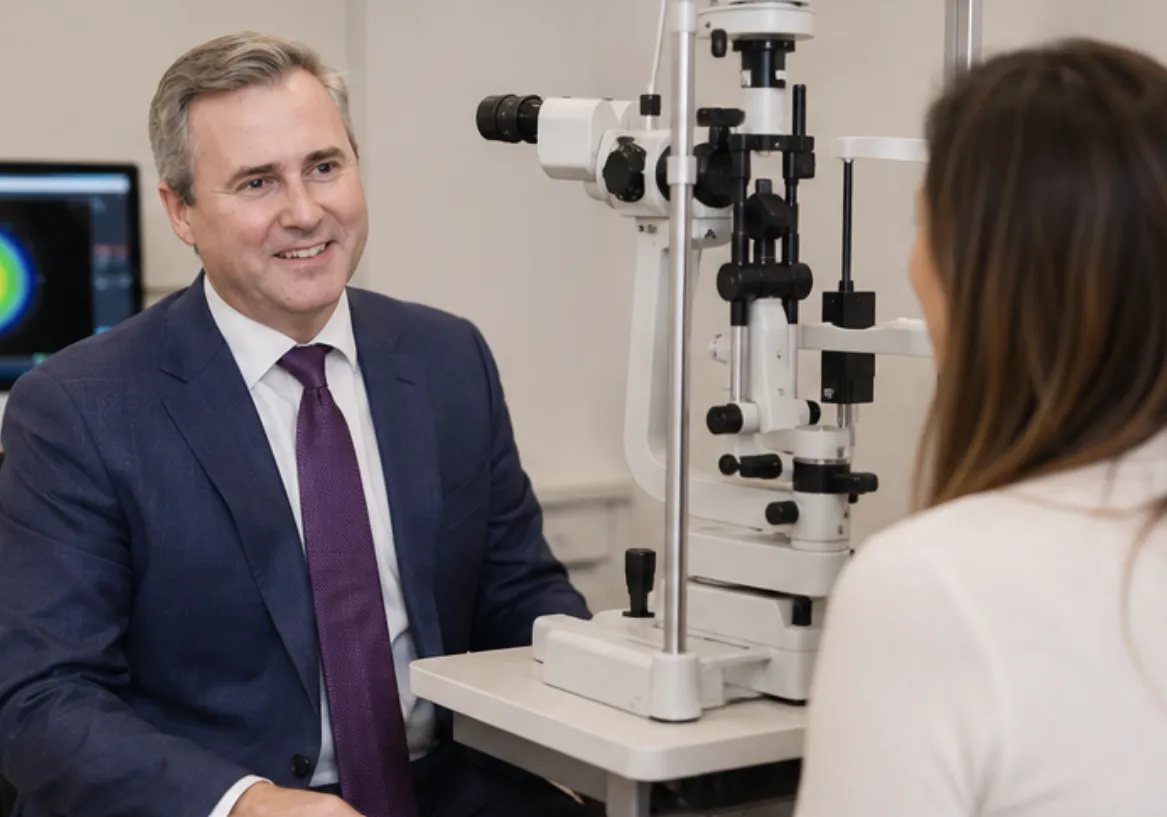
Hands-On CAIRS Education at ESCRS
The Lions World Vision Institute program at ESCRS includes OptiGraft® CAIRS Wet Labs with the Experts and dedicated CAIRS Surgical Planning sessions.
Wet lab training is an important part of surgical education because it takes learning beyond the lecture theatre. Surgeons have the opportunity to work through techniques practically and discuss the details that can be difficult to convey through presentations alone.
With CAIRS, that includes understanding patient selection, corneal imaging, planning the position and dimensions of the segments and considering how the treatment fits alongside other approaches to keratoconus management.
What Is CAIRS?
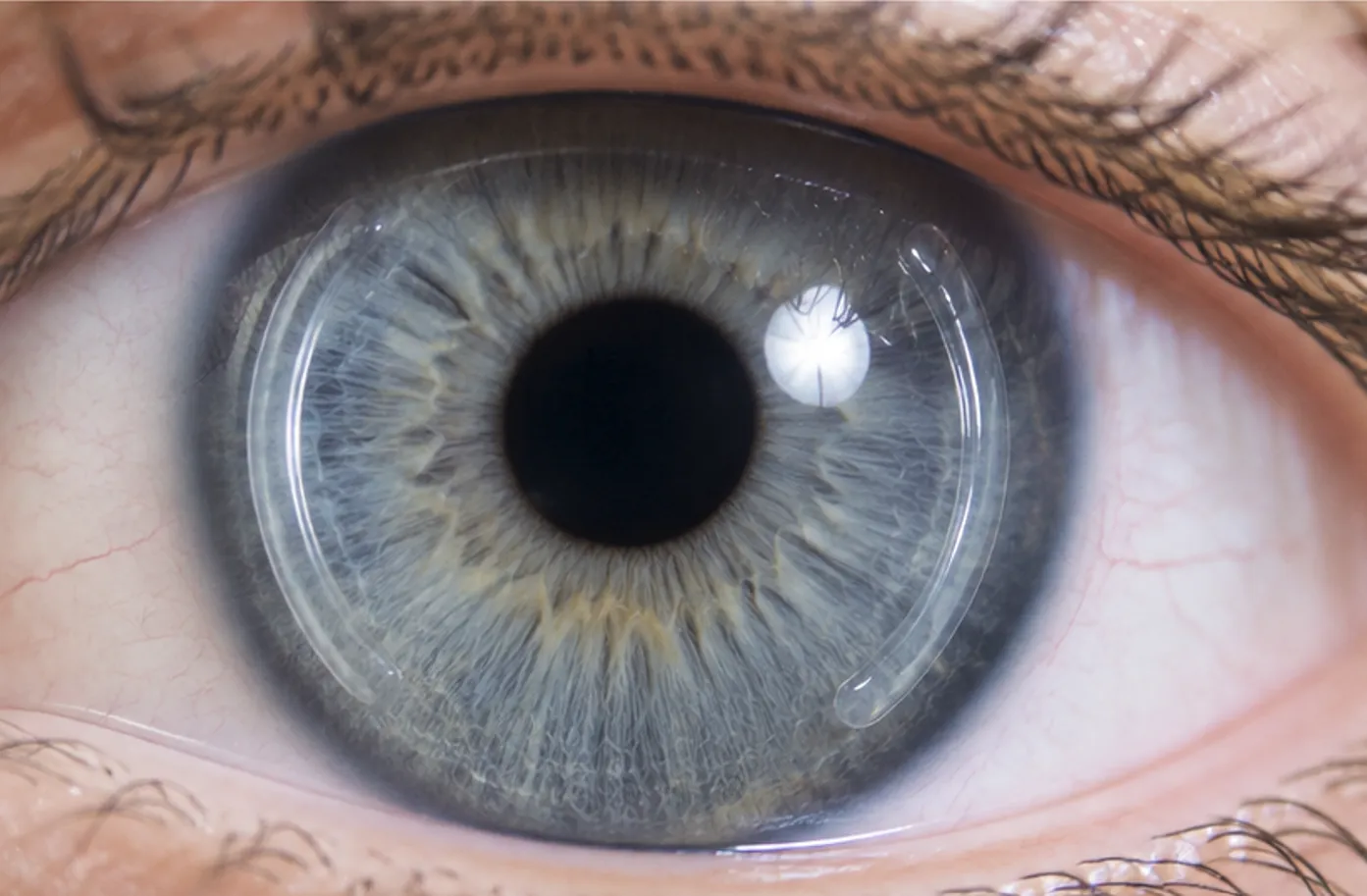
CAIRS – Corneal Allogenic Intrastromal Ring Segments – uses donor corneal tissue implanted into channels created within the patient’s cornea.
In selected patients with keratoconus or other forms of corneal irregularity, these segments can be used to alter the corneal shape.
One of the important concepts with CAIRS is that the treatment needs to be individualised. Keratoconus varies considerably from one person to another, so detailed corneal imaging and careful surgical planning are essential.
CAIRS may also form one part of a broader treatment strategy. Depending on the individual eye, other treatments such as corneal cross-linking, specialised contact lenses or other corneal procedures may be considered.
Learning and Teaching Go Hand in Hand
One of the things I value about international meetings such as ESCRS is that education works in both directions.
Being invited to teach provides an opportunity to share the techniques and experience we have developed in Australia, but it also creates valuable discussions with surgeons approaching the same clinical problems from different perspectives.
That exchange is particularly important in areas such as keratoconus, where treatment has moved well beyond simply monitoring the condition until more advanced intervention is required.
Today, our aim is to identify progression, preserve the cornea where possible and consider treatments that may improve corneal shape and visual quality in appropriately selected patients.
Continuing to Advance Corneal Care in Brisbane
Participating in the CAIRS workshops at ESCRS is part of an ongoing commitment to surgical education and evidence-based innovation.
Newer techniques are exciting, but they need to be approached carefully. The question should never simply be whether a new procedure can be performed. The more important question is whether it offers a meaningful option for the individual patient sitting in front of us.
I look forward to joining colleagues in London, sharing our experience and bringing those discussions home to Brisbane.
Keratoconus Assessment in Brisbane
If you have keratoconus, progressive astigmatism or have been told that your cornea is irregular, a detailed corneal assessment can help determine the appropriate management options for your eyes.
Contact our team to arrange an assessment with Dr David Gunn.
Frequently Asked Questions
What is CAIRS for keratoconus?
Does CAIRS cure keratoconus?
Is everyone with keratoconus suitable for CAIRS?
What is an ESCRS wet lab?