StreamLight Transepithelial PRK and Femtosecond CAIRS at APACRS 2023, Singapore
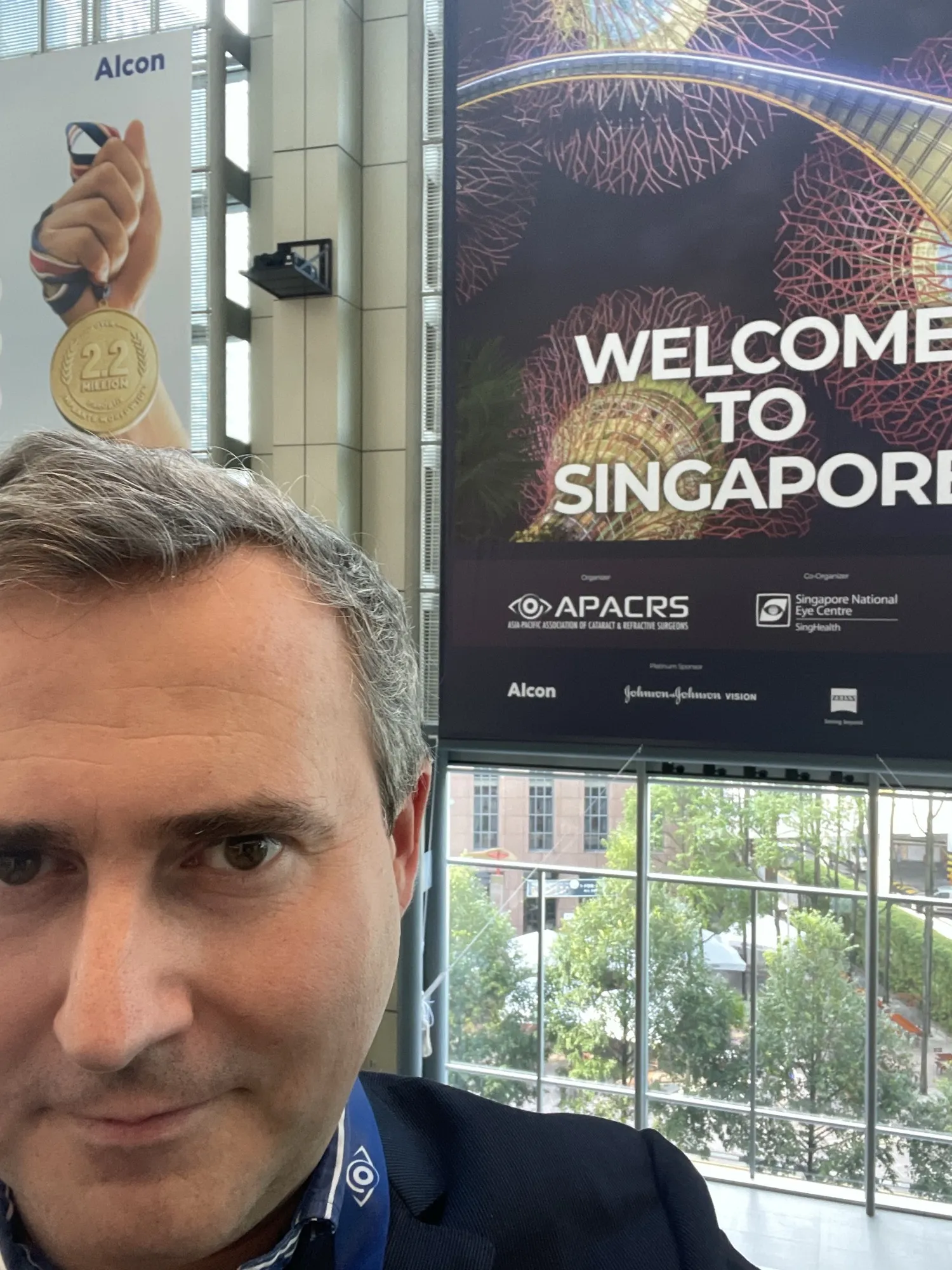
The 35th APACRS Annual Meeting ran from 8 to 10 June 2023 at Suntec Singapore, under the theme NEXUS — Connecting Everyone and Everything. Professor Gerd Auffarth gave the LIM Lecture on new intraocular implant materials, and much of the scientific programme dealt with how far surface and lenticular laser techniques had come.
Dr David Gunn presented on two subjects: StreamLight transepithelial PRK, and femtosecond-created CAIRS.
Why a surface laser still earns its place
Most people considering laser eye surgery assume LASIK is the modern option and surface treatments are what came before it. That is not how it works in practice.
StreamLight is a single-pass transepithelial technique: the excimer laser removes the epithelium and delivers the refractive treatment in one continuous run. Nothing mechanical touches the cornea, no alcohol is used, and no flap is created. For a patient with a thinner cornea, or one who plays contact sport, or a police officer or soldier for whom a corneal flap is a career-long liability, that matters more than the extra few days of recovery.
The counterpoint, given in Singapore and repeated in clinic, is that the first week is harder than LASIK. Vision is blurry, the eye is sore for three to four days, and the final result takes longer to settle. Patients who understand that upfront do well with it. Patients who are told only that it is “flapless and safer” feel misled by day two.
Femtosecond CAIRS, two years in
The second talk covered CAIRS with femtosecond-created channels. Dr Gunn performed Australia’s first CAIRS procedure in May 2021, so by Singapore the Brisbane group was two years into a technique that was still new almost everywhere.
The femtosecond laser is the part that made CAIRS teachable. Creating a channel by hand is possible, but the depth and arc are difficult to reproduce case to case, and reproducibility is what a technique needs before other surgeons can adopt it safely. A laser-formed channel can be specified precisely, which turns the operation into something a corneal surgeon can plan rather than improvise.
By 2023 the questions coming from the Asia-Pacific audience had shifted. Fewer people were asking whether allogenic tissue was a reasonable thing to implant, and more were asking about segment thickness, arc length and where to place the channel for an inferior cone. That shift is what adoption looks like from the podium.
Recording for the congress library
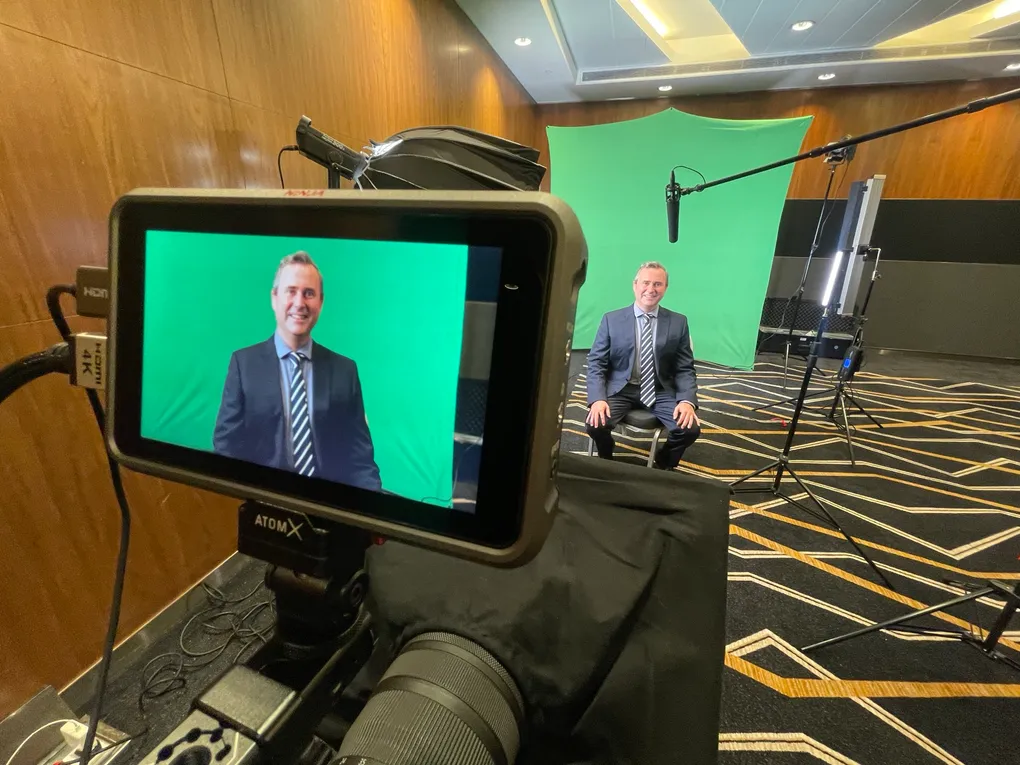
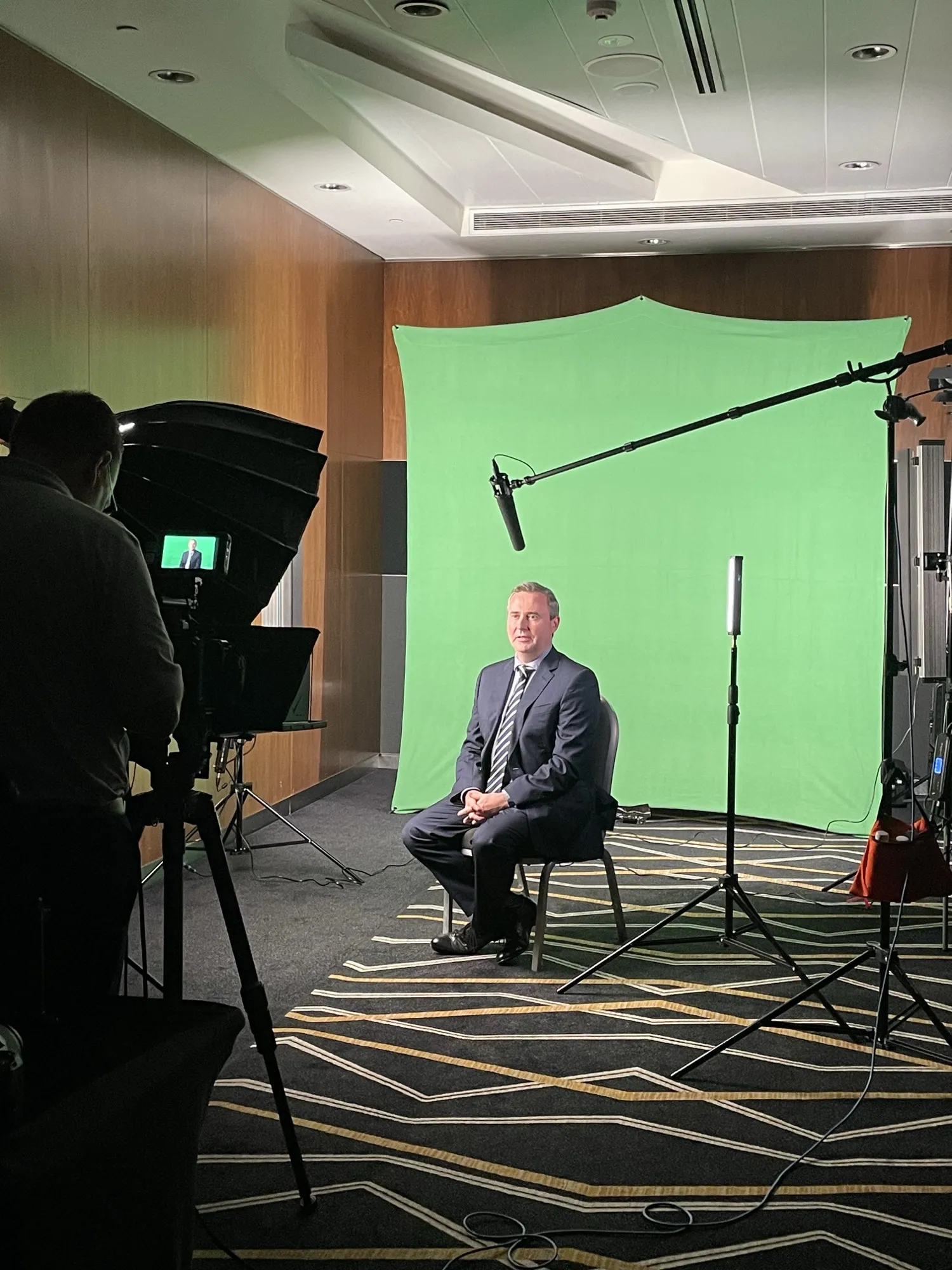
APACRS also filmed a studio session with Dr Gunn during the congress for its education library. Teaching material of that kind reaches surgeons in centres that cannot send anyone to a congress, which is often exactly where a patient with advanced keratoconus has the least access to treatment.
The Brisbane connection
Both techniques discussed in Singapore are available in Brisbane. Transepithelial PRK is one of several laser options offered here, and the choice between it and LASIK is made on your corneal measurements rather than on which sounds more advanced. CAIRS is offered for keratoconus and corneal ectasia where the cornea is too irregular or too weak for a laser-based solution.
The starting point for either is a full corneal assessment. You can book a consultation here.
Frequently Asked Questions
What is StreamLight transepithelial PRK?
How is transepithelial PRK different from LASIK?
Who is transepithelial PRK best suited to?
What does the femtosecond laser contribute to CAIRS?